



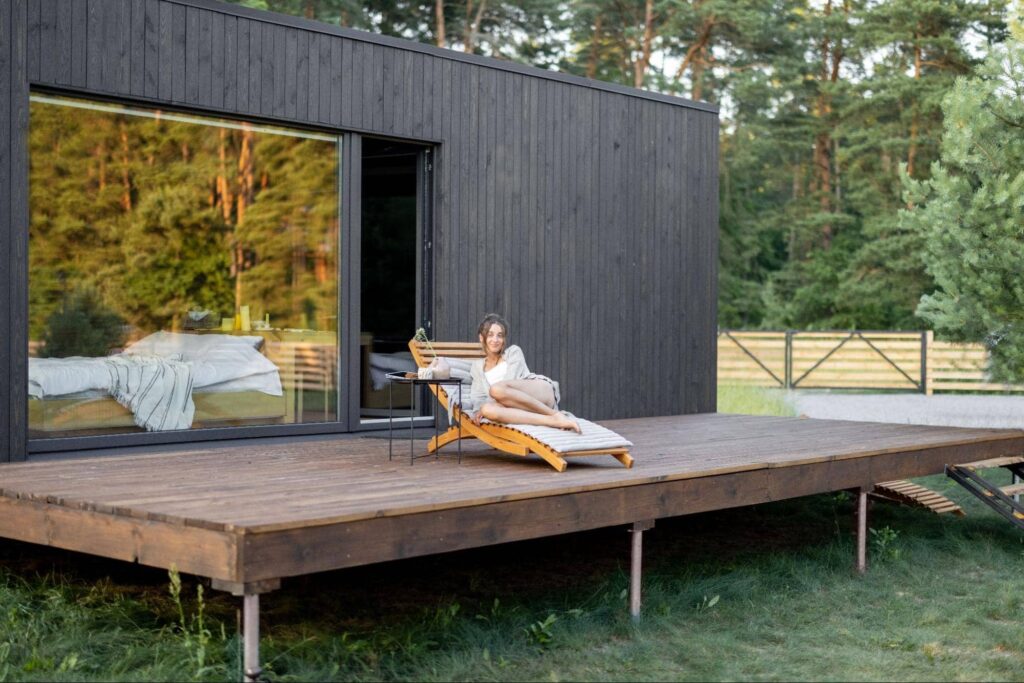
Many people dream of having their own holiday home: somewhere to escape everyday life, spend weekends with family or simply enjoy the peace and quiet of nature. Not everyone, however, wants to invest in expensive construction or wait a long time for permits. It is no surprise that container holiday homes built from shipping containers are becoming increasingly popular.
This modern, flexible approach can help bring a holiday-home project to life relatively quickly, without the lengthy building process and high costs associated with conventional construction. With a suitable container, a creative approach and a sound conversion plan, you can create a comfortable retreat that will serve you for years.
What is a container holiday home?
A container holiday home is a residential building created by converting a shipping container: a durable steel structure originally designed to transport goods. After suitable modifications, it can become a cozy retreat with a kitchen, bathroom and bedroom, suitable for weekends or longer stays.
Shipping containers measuring 20 ft or 40 ft are most commonly used. Larger projects may combine several modules to create anything from a compact studio to a complete holiday home with a terrace.
A shipping container’s structure is durable and weather-resistant, making it a practical starting point for a holiday property in Poland. With proper insulation, utilities and attractive finishes, it can become an economical, contemporary and relatively easy-to-maintain retreat.
For many people, it offers an appealing alternative to lengthy conventional construction. A completed module can be positioned on an appropriate site and potentially transported elsewhere if needed, subject to planning and transport requirements.
You could even add a shipping-container swimming pool beside the holiday home.
How do you build a holiday home from a shipping container?
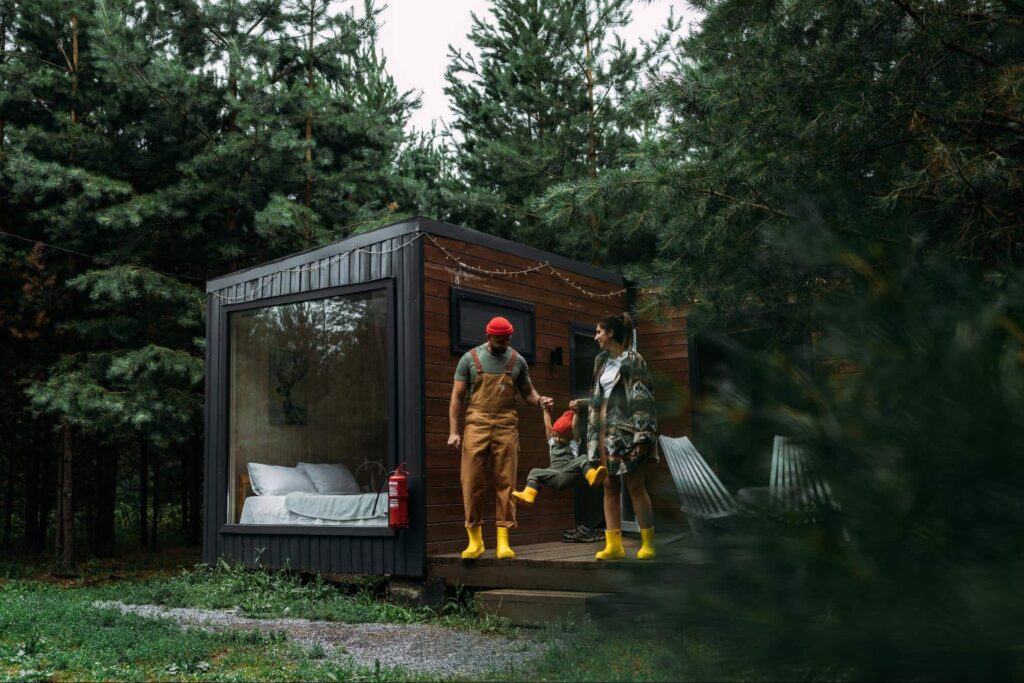
Creating a container holiday home is manageable with a well-considered plan, a suitable container and several key conversion stages. The process can be divided into three phases: selection, conversion and installation on the plot.
1. Choose a shipping container
The project begins with a shipping container, a sturdy steel structure resistant to external conditions. It forms the frame of the future holiday home.
The following types are most commonly selected for conversion:
- 20 ft (approximately 15 m²) – suitable for a small holiday cabin or a single module.
- 40 ft (approximately 30 m²) – offers more space and layout options.
- High Cube (HC) – around 30 cm taller, providing extra headroom and comfort.
At Contivus, we offer shipping containers in a range of sizes and configurations suitable as a basis for holiday homes. Customers can select a container according to their budget, available plot and intended use.
When buying, check its technical condition, including watertightness, corrosion and the condition of the floor structure. A sound starting point simplifies conversion and helps ensure a longer service life.
2. Convert and finish the container
After selecting the container, the most important stage begins: converting the interior. There are many possible layouts and styles.
Essential work includes:
- Insulating walls, ceiling and floor, for example using polyurethane foam or mineral wool.
- Cutting openings for windows and doors.
- Installing utilities, including electricity, water supply and wastewater drainage.
- Protecting the structure against moisture and corrosion.
- Finishing the interior, including floors, walls, furniture, kitchenette and bathroom.
The interior can be minimalist, Scandinavian, rustic or contemporary. Your imagination and budget are the main limits.
Pay particular attention to ventilation, thermal insulation and effective heating if the building is to be used year-round. Once conversion is complete, the result can be a functional, attractive and comfortable holiday home with amenities comparable to those of a conventional building.
3. Position the home on the plot and complete the formalities
When the module is ready, the final stage is installing it on the plot. Because a container is transportable, it does not necessarily require conventional permanent foundations; suitable concrete blocks or slabs may be placed under the corner points where the engineering design permits.
From a legal perspective, a container holiday home may in some circumstances be classified as a temporary building. A notification to the authorities may be sufficient in certain cases, particularly for seasonal structures not permanently attached to the ground.
If the home is intended for year-round use or exceeds the applicable size limits, a building permit may be required. Requirements depend on the project and local planning rules, so consult the relevant local authority before beginning work. We discuss the formalities in more detail here.
Once the paperwork is complete and the plot prepared, the remaining tasks are to position the container, connect utilities and enjoy your new retreat.
This approach can make building a container holiday home relatively fast, straightforward and economical. The work can be carried out in stages to match your budget, available time and individual requirements.
Why build a container holiday home?
Container holiday homes are increasingly chosen by people who want a private getaway without lengthy construction or high costs. Converting a shipping container brings together functionality, mobility and durability. Here are the main reasons to consider the option.
A faster and potentially cheaper solution
A conventional holiday home can take months to build, while materials and labor are expensive. For a container home, the primary structure already exists and much of the conversion work can be completed more quickly.
It may be possible to avoid extensive foundations and a large construction team, depending on the site and design. Preparing and finishing the interior can therefore save time and money, particularly when working to a fixed budget.
Mobility and flexibility
A major benefit of a container home is its mobility. Unlike a conventional building, a suitably designed container can be transported to another location if you change plots or decide to move closer to a lake, subject to the necessary approvals.
It may not need a permanent attachment to the ground and can potentially be moved as one module. This appeals to people who value freedom and flexibility. You can also expand the floor area by adding another container, provided the structure is appropriately engineered.
Comfort and functionality
Although a shipping container may look industrial from the outside, its interior can offer genuinely comfortable living conditions. Suitable insulation, ventilation and utilities can keep it warm in winter and pleasantly cool in summer.
Contemporary container home layouts can include a kitchen, bathroom, living area and bedroom within a compact footprint. With suitable insulation and installations, the home can even be adapted for year-round use.
The result is a retreat that combines simplicity and convenience: a comfortable home for different weather conditions, without unnecessary complexity or expense.
Who are container holiday homes suitable for?
Container holiday homes appeal both to people seeking their own retreat and to those looking for a flexible, economical investment.
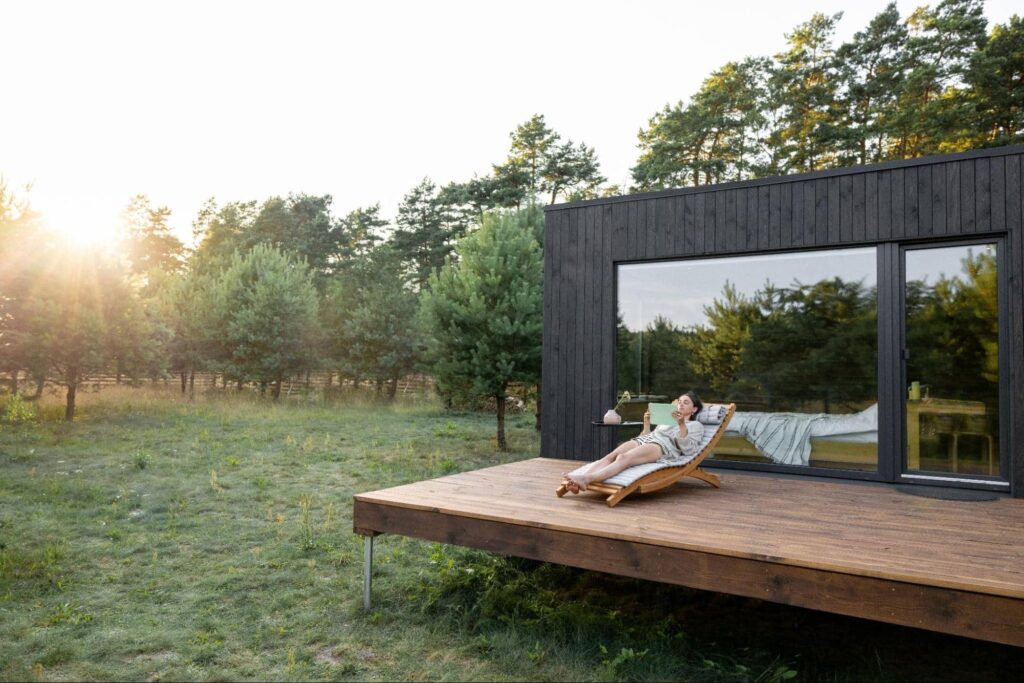
For private customers, they offer a way to create a personal place to relax without a lengthy conventional build. Subject to local planning restrictions, such a home could be placed on a recreational plot by a lake, in the mountains or near a forest, anywhere that offers peace and contact with nature.
For entrepreneurs, container homes can help develop a tourism business, for instance by creating several modules for seasonal rental. Modular construction allows a small holiday complex to be expanded or potentially moved in future.
There is also an environmental aspect: reusing shipping containers is an example of repurposing existing materials. This contemporary, functional approach appeals to people who appreciate simplicity and independence.
Shipping containers from Contivus
If you are planning a container holiday home, start with a sound shipping container in good technical condition. This is what we offer at Contivus. We have been involved in the sale and rental of shipping containers across Poland for years, helping customers with projects including holiday-home conversions.
Our range includes various types and sizes, from standard DV (Dry Van) units to taller HC (High Cube) containers that provide more interior space. You can therefore choose a container to suit your requirements, plot and budget.
We help customers select suitable models and advise on transport and positioning. Every container has a durable, weather-resistant steel structure that provides a strong basis for conversion. This enables customers to create a functional, modern holiday home without constructing a traditional building from scratch.
If you plan to create your own container retreat, explore our range and see what Contivus shipping containers can offer.
Summary – a modern holiday home without unnecessary complications
A container holiday home combines simplicity, mobility and manageable costs. It offers a way to create a private retreat relatively quickly, potentially with less construction work and the ability to relocate the module.
Durable shipping-container structures can be converted into anything from minimalist one-person cabins to larger family modules. In some circumstances, a building permit may not be required, which can shorten the project timetable and reduce costs; the legal position must always be checked for the individual project.
If you dream of a private place to relax without using up all your savings, a converted shipping container is an option worth considering. It can be a practical and economical investment tailored to modern holiday needs.