



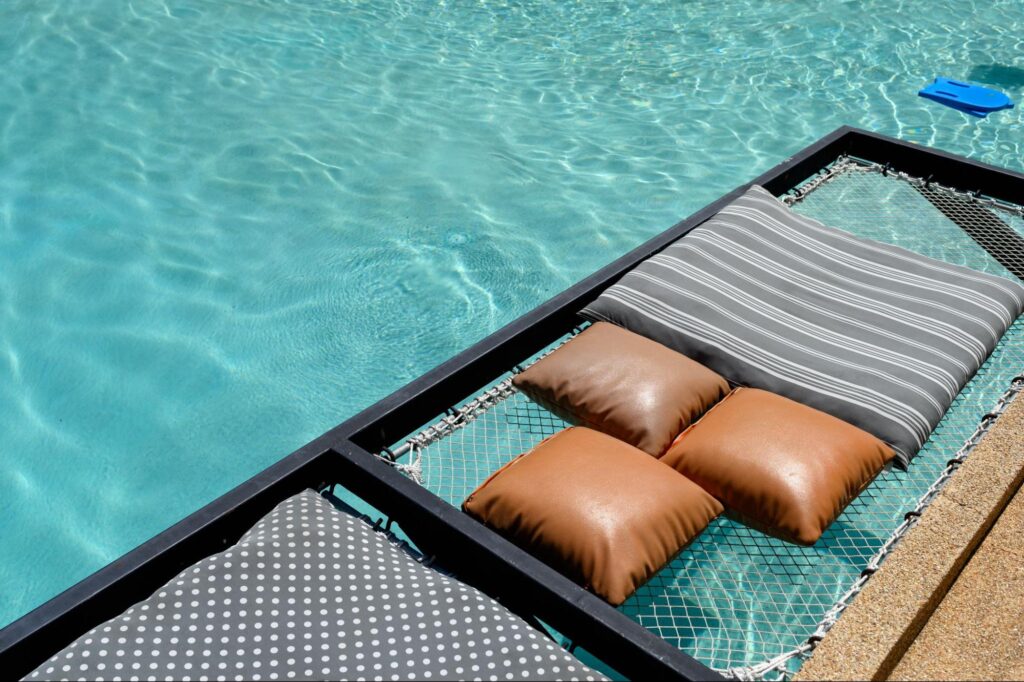
Shipping container pools are becoming increasingly popular as an alternative to traditional designs. Using a shipping container makes it possible to create a stylish, modern pool in the garden or another place where conventional construction would be difficult. It can be an attractive solution for anyone seeking a relatively quick and economical way to build a garden swimming pool: purchasing and installing a converted container is much faster than building a traditional concrete pool.
A container pool combines mobility, durability and a distinctive cuboid shape that suits modern spaces. It can also be moved elsewhere or sold, unlike a conventional permanent pool. This guide takes you through the whole process, from choosing a container and preparing the site to final fittings and filtration systems, so you can enjoy your dream pool for years.
1. Choosing the right container
The first step is to find a suitable shipping container that will form the basis of your pool. The main considerations are its dimensions, technical condition and price.
Which container dimensions are best?
Standard shipping containers are available in two common lengths:
- 6 meters (20 ft) – suitable for smaller gardens and recreational swimming or cooling off on hot days.
- 12 meters (40 ft) – a larger pool that offers more space for swimming and room for additions such as steps or hydromassage jets.
Standard containers are 2.59 m high, while High Cube (HC) versions are approximately 2.9 m high. Even this modest difference can significantly affect the pool’s capacity.
A new container offers better technical condition and a longer potential service life but costs more. Buying a used container can reduce expenditure significantly; however, check carefully for rust, dents and leaks.
The environmental aspect
Repurposing a shipping container gives a used transport unit a second life and may reduce waste and the need to produce new materials. It can also reduce the project’s carbon footprint, depending on the conversion work involved.
After choosing a suitable container, the next step is preparing the location where the pool will be installed.
2. Preparing the pool site
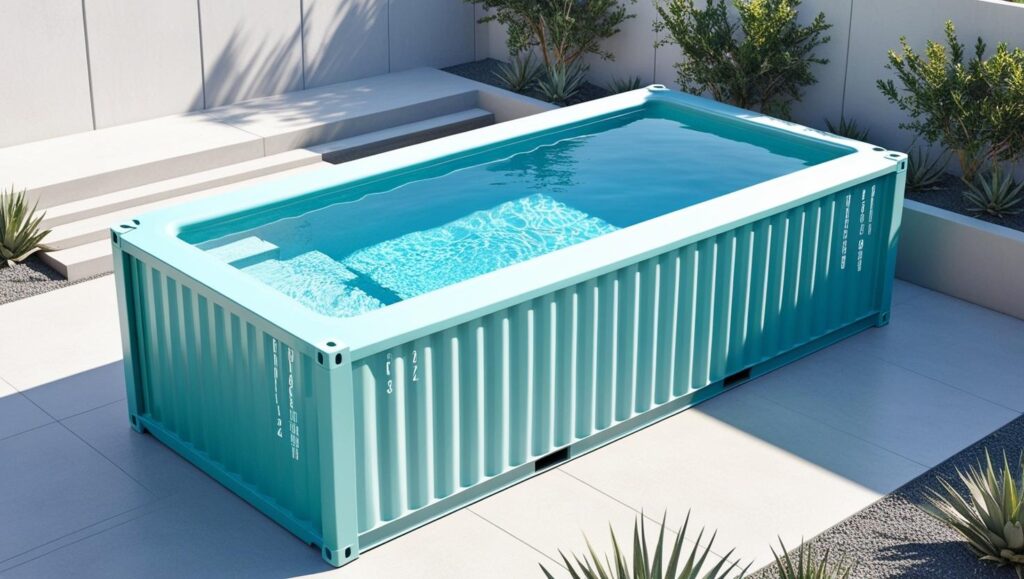
A container pool needs a carefully prepared site to function safely and reliably. Suitable ground and infrastructure are essential to the structure’s longevity. Unlike a conventional in-ground pool, a container can be placed directly on a properly prepared, reinforced surface without excavating a deep pit.
Where should you put a container pool?
The most common locations are a garden, lawn or specially prepared plot, although a pool may also be placed on a raised platform or even inside a building. The article recommends keeping at least 3 meters from the plot boundary to help prevent disputes over noise and contamination. Delivery logistics are also important: a crane and lorry must be able to reach the site without interfering with power lines or building roofs.
Factors worth considering include:
- Ground stability: The surface must be compacted and leveled.
- Utilities: There must be access to water and electricity.
- Space: Leave enough room for access, steps and additional equipment.
Which base is best?
A container pool may be installed on:
- A concrete slab: A stable, durable solution that prevents settling.
- Reinforced ground: A lawn or soil surface must first be reinforced, for example with aggregate or gravel.
- Point foundations: These enable precise positioning without covering the entire surface with concrete.
The base must be stable and level. A concrete slab or concrete support blocks are commonly used. Since the water is extremely heavy, an adequate foundation is essential to prevent subsidence.
Preparing utility connections
Consider water supply and filtration while selecting the site. The most important elements are:
- Water supply: Ideally, locate the pool near an existing water connection.
- Electrical supply: Needed for a heat pump, filters and lighting.
- Water drainage: Important for maintenance and emptying the pool.
Planning these connections in advance makes the subsequent conversion and installation work easier.
3. Structural work and container conversion
Once the site is ready, the shipping container must be adapted to its new purpose. Structural alterations and waterproofing are both necessary for durability and safe operation.
Reinforcing and modifying the structure
Shipping containers are designed to transport cargo in demanding conditions, making them robust; nevertheless, their structures must be adapted to hold a large volume of water. The principal work includes:
- Reinforcing the walls: Cutting away parts of the container, for example to create an entrance, weakens the structure and therefore requires additional steel reinforcement.
- Cutting an entrance and installing steps: Steps can be built into the pool or added outside.
- Adapting the floor and inner walls: They must be protected against corrosion and prepared for constant contact with water.
Waterproofing and protective coatings
Suitable waterproofing is essential to prevent leaks and extend the pool’s service life. Available methods include:
- Pool liner: A relatively inexpensive option that provides waterproofing and is easy to install.
- Epoxy paint: Forms a robust, water-resistant coating that also withstands pool chemicals.
- Epoxy resin and fiberglass laminate: A durable and resistant solution often used by pool manufacturers.
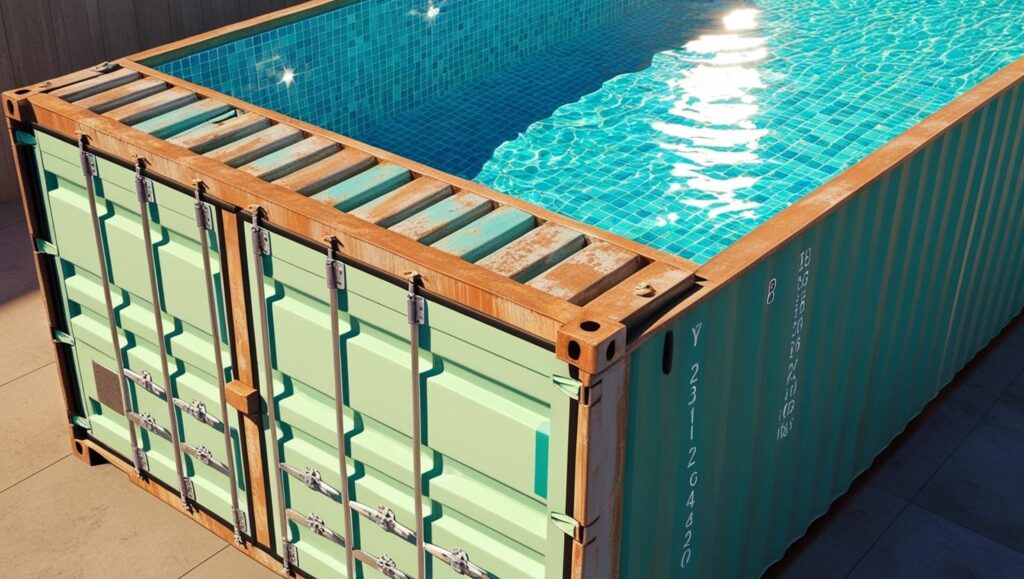
A common finish for the interior of a container pool is heat-welded, reinforced PVC pool liner at least 1.5 mm thick.
Drainage and filtration
A shipping container pool requires an appropriate drainage and filtration system:
- Skimmer: Collects debris from the water’s surface.
- Bottom drain: Allows the pool to be emptied effectively.
- Filters: Keep the water clean; sand and cartridge filters are frequently used.
Once the structural work is complete, heating and filtration systems can be installed to extend the swimming season.
4. Installing filtration and heating
Filtration and heating equipment are key to comfort and clean pool water. The following systems are worth considering.
Filtration: how do you keep the water clean?
Filtration prevents contaminants and microorganisms from accumulating in the pool. Common options include:
- Sand filter: Effective and long-lasting; widely used in swimming pools.
- Cartridge filter: Takes up less space but requires more frequent cartridge replacement.
Choose a filter according to the size of the pool and how intensively it will be used. A skimmer is also worth considering to capture leaves and floating debris.
Heating: extending the swimming season
Heating allows a pool to be used beyond the hottest summer days. Options include:
- Heat pump: An energy-efficient solution for maintaining comfortable water temperatures.
- Electric heater: Can heat water quickly but generally uses more energy.
- Solar collectors: An environmentally friendly, economical option whose performance depends on sunlight.
Jets and water aeration systems
Additional equipment can improve the swimming experience:
- Massage jets: Create a whirlpool-like effect.
- Water circulation system: Helps distribute heat evenly.
- LED lighting: Improves appearance and visibility when swimming after dark.
With suitable filtration and heating, a container pool becomes not only a place to cool off but also a comfortable space for relaxation and exercise.
5. Pool equipment and finishing
After completing the structural work and installing filtration and heating, the final stage is fitting out and finishing the pool. The right features make it comfortable and safe to use.
Optional features: what should you add?
- Steps or a ladder: Allow easy entry; choose built-in steps or an external metal ladder.
- Pool cover: Protects the water from dirt and reduces evaporation.
- Massage jets: A useful addition for anyone who enjoys relaxing in the water.
- LED lighting: Improves visibility after dark and enhances the pool’s appearance.
Protecting the pool from dirt and weather
- Pool cover: Keeps out leaves, dust and other contaminants.
- Filtration system and skimmer: Collect debris and help keep the water clean.
- Automatic pool-chemical dispensers: Help maintain suitable pH and chlorine levels.
Personalizing your pool
Each pool can be adapted to the owner’s tastes. For example, you could:
- Paint the interior in a color that matches the garden design.
- Install wood or composite cladding so the pool blends in with its surroundings.
- Add decorative features such as mosaics or trim.
Suitable finishing turns a functional shipping-container pool into an attractive feature of the outdoor relaxation area.
6. Costs and warranties
Finally, consider the estimated cost of building a shipping container pool.
How much does a container pool cost?
Prices vary with container length, materials and optional features such as water heating and lighting. The article provides these indicative ranges:
- Used container plus basic conversion: PLN 20,000–40,000.
- Complete conversion with filtration and heating: PLN 50,000–100,000.
- Ready-made pool from a manufacturer: PLN 80,000–150,000, depending on equipment.
Is building a pool yourself worthwhile?
It may be worthwhile if you have construction experience and want to save on labor. If professional workmanship and a warranty are important to you, commissioning a specialized company may be preferable.
Warranty and maintenance
- Component warranties: Manufacturers often provide warranties lasting from 2 to 10 years on different pool components.
- Regular cleaning and maintenance: Keeping filters, pumps, skimmers and lighting in good condition extends their service life.
- Winter protection: Before winter, the article recommends draining some water and protecting the pool against frost.
Summary
Building a pool from a shipping container can be a quick and striking way to create a swimming pool in the garden or another suitable location. Relatively low starting costs and extensive personalization options are among the reasons these pools attract interest.
The key stages are:
- Choosing the right container: Check dimensions and technical condition.
- Preparing the site: Reinforce the base and provide the necessary utility connections.
- Structural work: Reinforce the walls, waterproof the interior and install drainage.
- Filtration and heating: Select appropriate filters, pumps and a skimmer.
- Equipment and finishing: Add steps, lighting and decorative elements.
- Costs and warranties: Assess the budget and plan long-term maintenance.
With this information, you can assess the project and plan your own shipping-container garden pool.
FAQ – Shipping Container Pools
The cost of a container pool depends on its size, the conversion work and the systems installed. When converting a used container yourself, prices start at approximately PLN 20,000–40,000. Fully finished pools with filtration and heating generally cost PLN 50,000–100,000. Ready-made container pools from manufacturers may cost approximately PLN 80,000–150,000.
The most common choices are 6 m (20 ft) and 12 m (40 ft) containers. A shorter unit suits smaller gardens and recreational bathing; a longer one offers more swimming space and room for extra features such as steps or hydromassage jets.
A container pool is most commonly installed in a garden or on a plot with a properly prepared and level base. It can stand on a concrete slab, reinforced ground or point foundations. Access to water and electricity, as well as a suitable drainage arrangement, is important.
The main stages are selecting and buying the container, preparing the site and base, structural work (reinforcement, cutting openings and installing steps), waterproofing, installing filtration and heating, and finally adding equipment and finishes (cover, lighting, cladding and decorative elements).
When waterproofing the pool, adequate drainage around it is essential, particularly if it is partially buried, to prevent external corrosion. Filtration and heating are necessary to maintain clean water and extend the swimming season.
Building a container pool yourself may be economical if you have construction experience and want to save on labor. If a warranty, professional workmanship and full technical support are important, commissioning a specialized company is a more appropriate option.
According to the original article, private pools with an area of up to 50 m² in Poland do not require a building permit; a simplified notification to the district authority or city office at least 21 days before the planned installation is sufficient. Verify the current legal requirements for your particular project.
Container pools can be installed in 1–2 days, significantly reducing the waiting time compared with conventional pools that require a longer construction process. Prefabrication can eliminate the need for extensive digging and concreting, which may lower construction costs. Container pools offer many customization options, including whirlpool features, glazed walls, a rooftop terrace and LED lighting. They are also movable, allowing them to be relocated.
Water exerts enormous pressure on the pool walls, so manufacturers must add reinforcing steel frames to prevent the container from bulging.