



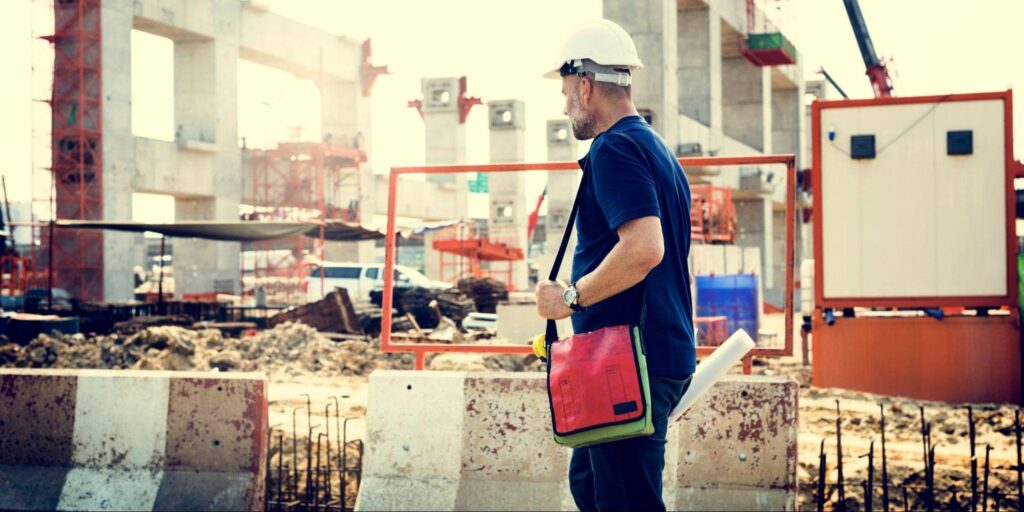
A construction site container is a versatile solution that has been an essential part of building sites for years. It provides technical and staff facilities, serves as a mobile office or sanitary unit and offers secure storage for equipment and tools. It can also be used to collect waste and rubble generated during construction. Thanks to its mobility, modular construction and range of sizes, it is useful both on major development projects and on private plots where a house is being built. In this article, we explain the main container types, their construction and what can be put into a construction waste skip.
What is a construction site container? Types and uses
A construction site container is a modular unit that can be transported and installed on a project site relatively easily. Depending on its intended purpose, it can serve various functions:
- Office containers – temporary site offices, meeting rooms for subcontractors and storage for project documentation.
- Sanitary containers – units fitted with toilets, bathrooms and washbasins to meet basic sanitary requirements.
- Staff facilities – canteens, dining rooms and changing rooms that give workers a comfortable place to rest and eat.
- Storage and workshop containers – protect tools and equipment and provide mobile technical facilities. Workshop units are essentially storage containers adapted for work with electrical systems, workbenches and other equipment.
- Waste skips – containers used to collect and remove rubble and construction waste.
Containers may be manufactured as standalone units or as modular systems connected into larger groups. Converted shipping containers are also increasingly used in construction. This allows facilities to be tailored to the customer and the specific site.
Construction and dimensions: how are site containers built?
The basis of each container is a strong steel frame that provides structural rigidity. Walls and roofs are usually made from sandwich panels or steel sheet, while floors use abrasion-resistant materials. Additional features such as thermal insulation support comfortable working and resting conditions in different weather.
Standard site containers may be fitted with doors and windows and, where required, electrical, water, wastewater and heating systems. Common fittings include lighting, sockets, heaters and ventilation. Air conditioning, blinds and alarm systems can be added according to need.
Dimensions vary. Common module lengths correspond to shipping containers measuring 10, 20 or 40 ft. Typical height is around 2.5–3 m, with widths around 2.4–3 m. Standardization simplifies delivery and assembly, while custom sizes can be ordered. A stable, properly prepared base is essential to ensure safe use and long-term durability.
What are containers used for on construction sites?
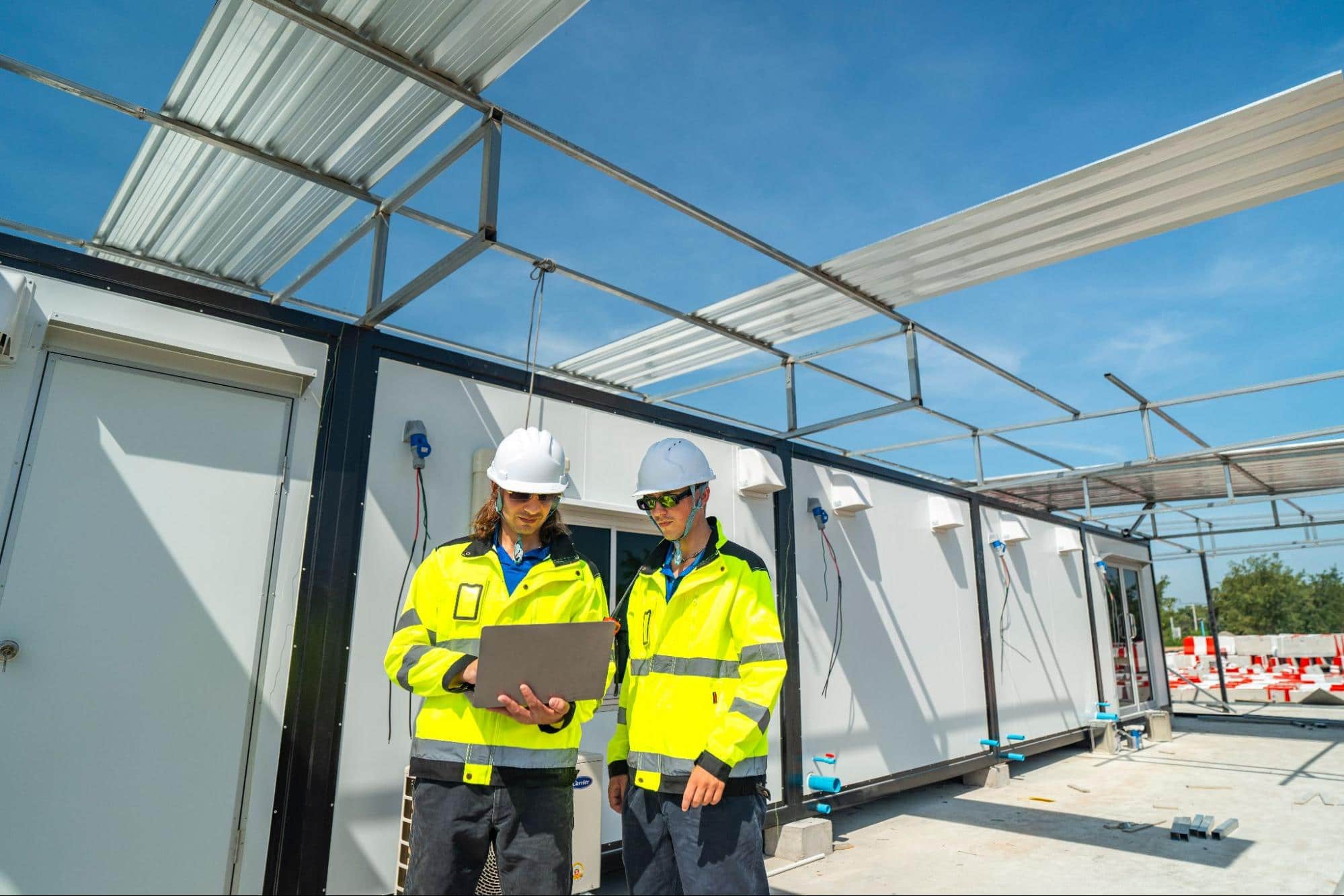
Containers provide mobile infrastructure that allows essential site facilities to be established quickly. They can become site offices for meetings and document storage, sanitary and staff facilities with changing rooms, dining rooms and canteens, or secure storage for equipment and tools. They can also function as mobile workshops. This helps reduce material losses and protects equipment against theft and weather damage.
Office containers – ergonomics and requirements
Office containers make it possible to create working space close to the project. Standard fittings include desks, seating, lighting, power sockets and heating, often provided by an electric radiator. Windows supply daylight, while blinds or security bars can provide additional protection.
On larger projects, office modules can be connected to accommodate teams of several people. Depending on the investor’s needs, air conditioning, network infrastructure and extra document cabinets can be added. This gives staff suitable working conditions and helps the contractor organize the required office facilities.
Sanitary containers and staff facilities – hygiene and comfort
Well-organized sanitary and staff facilities are fundamental to any construction project. Sanitary containers can be fitted with toilets, bathrooms, showers and washbasins. Extra heating, such as electric radiators, may be added for winter use.
Staff areas provide space for breaks and recovery. They can include changing rooms with lockers and benches, canteens and dining rooms where workers eat, and increasingly small kitchenettes. Depending on site conditions, a container may be connected to water and wastewater networks or use holding tanks. This allows the facilities to be adapted to the project and the number of workers.
Storage and workshop containers – secure equipment storage
Storage containers are essential where large amounts of tools and equipment must be kept on-site. With shelving, mounting brackets and sturdy doors, they provide protected storage. Bolts, padlocks and reinforced walls improve security against theft and burglary. Where needed, they can also serve as mobile workshops with workbenches, electricity and lighting. Their mobility makes them easy to reposition as work progresses.
An unconverted shipping container can also be used as a simple store for building materials and some machinery, such as concrete compactors and plastering machines.
What can be disposed of in a construction waste skip?
A construction waste skip is used to collect and remove materials generated during building and renovation. The permitted waste categories depend on the operator and local rules, so always check the service terms first.
Commonly accepted materials include:
- Concrete rubble, bricks, ceramics and plaster.
- Construction glass, metals and plastics.
- Untreated timber.
- Plasterboard and clean building-material packaging without residual paint or adhesive.
Materials usually prohibited include:
- Hazardous waste such as roofing felt, asbestos, solvents, chemicals and oils.
- Waste electrical equipment, batteries and tyres.
- Mixed household waste and contaminated soil.
Never exceed the permitted weight or stack waste above the skip’s walls. If you are unsure, contact the operator to confirm what can be loaded. This helps avoid extra charges and collection problems.
Transport, positioning and formalities: installation and notification
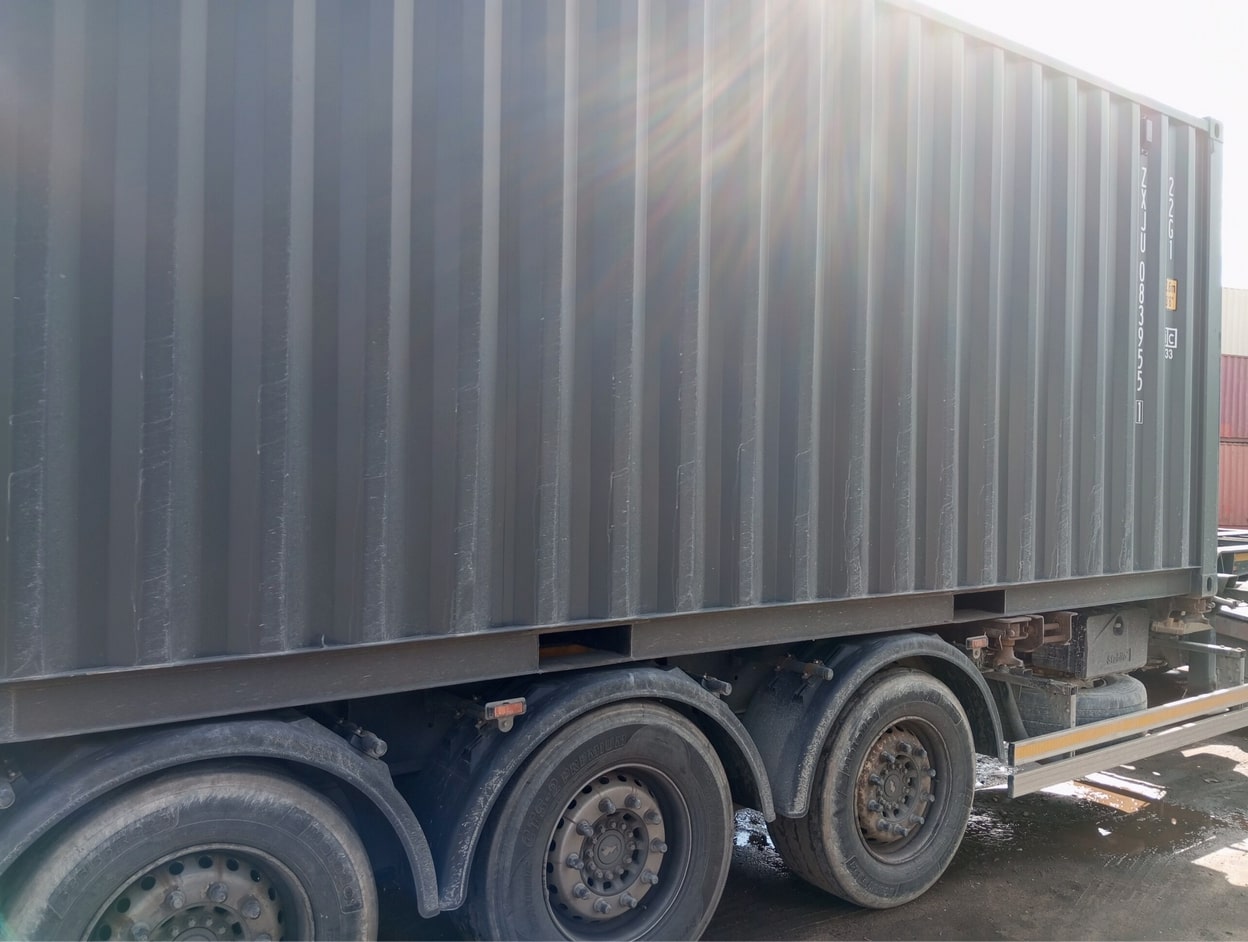
Delivering a container to a construction site requires suitable logistics. Trucks equipped with hydraulic loading cranes or separate cranes are commonly used for quick unloading and positioning. A stable, hardened surface is essential.
Staff and sanitary units require prepared connections for electricity, water and wastewater disposal or holding tanks. Before use, check that the installations are watertight and connected correctly.
From a formal perspective, a simple notification as a temporary structure may be sufficient in many cases under Articles 29–30 of the Polish Construction Law. Placing a container on a public road or in another restricted location may require additional decisions. Always verify local requirements before proceeding.
Read more about container placement formalities here.
Commercial options: rental, leasing and purchase
When choosing a construction site container, consider how it will be financed and used. The three common options are rental, leasing and purchase.
- Rental suits short projects and situations requiring a flexible duration of use. The provider can arrange delivery, servicing and collection without a large initial investment.
- Leasing is primarily aimed at businesses. It allows a company to use a container without paying the full purchase price upfront, sometimes with the option to buy later.
- Purchase is often chosen for permanent site facilities or a company’s own base. It is also appropriate for shipping containers intended for future conversion.
Private customers and businesses can therefore choose the arrangement that suits their needs and budget.
How to choose a container: a short guide
The right choice depends on several factors:
- Function – office, staff room, sanitary unit, tool storage or waste collection.
- Dimensions and construction – one module or a connected group.
- Technical requirements – basic fittings or options such as air conditioning, alarms or specialist installations.
- Transport and assembly – site access, load-bearing ground and connections.
- Financing – rental, leasing or purchase.
Considering these factors helps match the container to actual requirements and avoid unnecessary expense.
Summary
Construction site containers are practical, flexible facilities suitable for projects ranging from a private home build to major infrastructure works. The right unit can provide an efficient office, staff and sanitary facilities or secure storage for equipment and tools. For waste skips, check which materials are accepted to avoid disputes and extra costs.
As an experienced supplier, we offer a range of options, from short-term rental and leasing to new and used shipping container sales. Contact us for an offer tailored to your project and help choosing a suitable solution.