




Shipping containers are standardized units used in maritime transport, allowing goods to be shipped safely and efficiently around the world. They are characterized by strength, weather resistance and a wide range of configurations and sizes, making them exceptionally versatile.
Shipping containers are popular because they are practical and relatively inexpensive compared with many conventional alternatives. They are increasingly sought after not only in the transport industry but also by private customers and businesses. This article looks at how much a shipping container costs, what affects its price and when alternatives such as rental may make sense.
Types of shipping containers and their uses
Shipping containers are available in various versions to suit specific applications. The most popular are 20’DC and 40’DC (Dry Container) units, which are standard in maritime transport. Taller 40’HC (High Cube) containers are also common. DC and HC containers are primarily used to transport goods that do not require special storage conditions. Refrigerated containers (reefers) are available for products requiring low temperatures, as are specialized containers for liquids or bulk materials.
Containers are useful in many fields. They make transporting goods by sea safer, but they are increasingly used as storage units, temporary offices and even structural modules in prefabricated housing. Their versatility and varied dimensions appeal to people looking for durable, practical solutions at an accessible price.
Both new and used containers are available, with differences in price and technical condition. New containers suit customers seeking units in excellent condition, although their higher price may be a barrier. Used shipping containers offer a more economical option and can still deliver good quality, provided they are checked for watertightness and structural integrity.
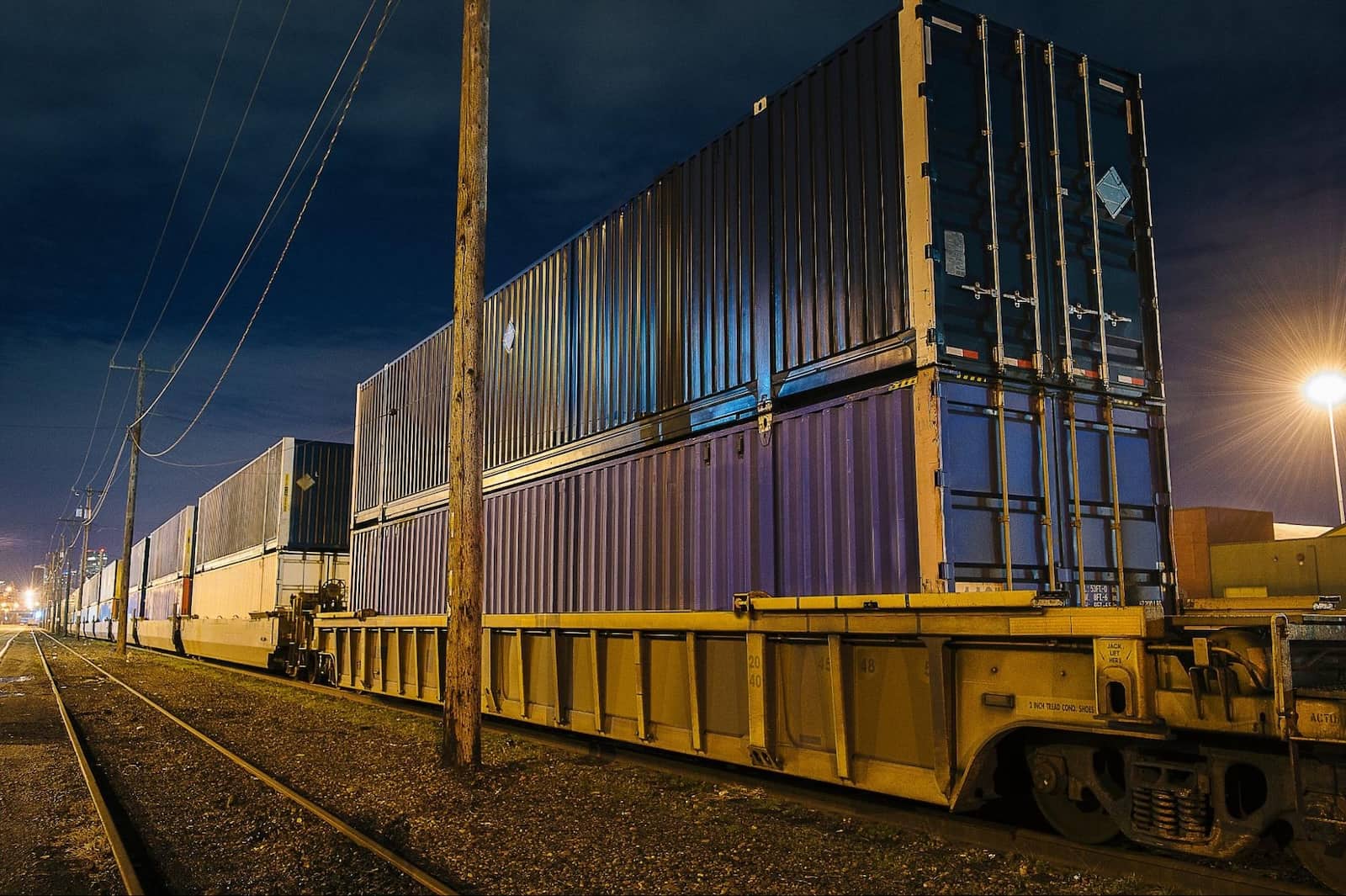
What affects the price of a shipping container?
Technical condition is an important factor. New shipping containers in excellent condition cost more; used containers are cheaper but require careful inspection for leaks, structural integrity and general wear.
Container type and size also matter. Standard 20 ft and 40 ft containers are widely available and generally cost less than specialized units, such as refrigerated containers or units designed to transport liquids. Customized configurations with additional features, such as windows or doors, can also increase the price.
The delivery cost affects the final bill. The distance from the seller to the delivery site and the transport method, whether road or rail, can significantly increase total expenditure. Seasonal demand and wider market conditions also affect prices: container prices may rise during periods of high demand.
As noted above, the market offers both new and used containers. The choice depends on your budget and intended use. A used container in good condition can be an attractive option, but check its watertightness, dimensions and possible damage before buying to avoid unexpected expenditure later.
Example shipping container purchase prices
The purchase price depends on the type, condition and size of the container. According to the indicative prices in this article, a new shipping container in Poland usually costs from approximately PLN 9,500 for a 6 m container or PLN 10,700 for a 12 m container, depending on the dimensions and type. This may suit customers who expect excellent condition and plan to use the container long term.
Used shipping containers provide a more economical alternative, with prices starting at approximately PLN 5,000. They are particularly popular for temporary uses such as storing construction materials, rubble or waste. However, conditions vary, so check watertightness and the overall state carefully before purchase.
In addition to the purchase price, budget for delivery, which may cost several hundred zlotys or more depending on distance and the collection point. Being close to a depot or terminal may reduce transportation costs.
When purchasing a shipping container, contact reputable suppliers offering units in sound technical condition. Whether you choose new or used, compare the available options and match your decision to your needs and budget.
Renting shipping containers as an alternative
Purchasing a shipping container is not always the right option, especially if you only need it temporarily. In such situations, renting a container may help avoid the high upfront purchase cost and some of the challenges of maintaining and transporting your own unit.
Container rental is particularly popular in construction and among private customers who need extra space to store construction materials, rubble or waste. Rental prices depend on container type, size and rental period. According to this article, rates generally range from a few dozen to several hundred zlotys per month, potentially making rental more economical than purchasing for short-term use.
One advantage of rental is flexibility: you can select suitable dimensions, configuration and technical condition without committing to ownership. Rental companies often offer comprehensive services, including transport and placement at the chosen site, which simplifies the process and may avoid separate transport and maintenance arrangements.
Renting also allows you to test a container’s practicality before making a purchase, which can help if you are unsure whether owning one will be economical in the long run.

Summary and practical tips
Shipping containers are versatile and practical both in maritime transport and in many other sectors. Their price depends on factors including technical condition, dimensions, container type and delivery costs. New containers offer excellent condition at a higher price, while used units provide a more affordable alternative if their condition is satisfactory.
For individuals and companies needing a container only for a short period, renting may offer greater flexibility and avoid a large initial purchase expense.
When purchasing or renting a container, pay attention to a few key points:
- Check its condition: Make sure the unit is watertight and structurally sound.
- Compare different suppliers: Prices may vary significantly.
- Allow for delivery costs: Transportation can have a substantial effect on the final price.
- Match the unit to your needs: Consider dimensions, configuration and container type.
Shipping containers are used across many industries and in everyday life. Whether you choose a new or used unit, or decide to rent, consider your actual needs and compare current offers. Numerous suppliers in Poland sell and rent containers at different prices, making it possible to find a solution that fits your requirements.